
Understand every ayah before you memorize it.
Al-Husen turns each surah into a visual path. Learn the meaning of one ayah, connect it to a keyword icon, then listen, trace, and review until the words and meaning stay with you.
Free during open beta. No card, no app store. It opens in your browser.
A method taught since 2009, used by thousands of families to learn meaning and memorization together.
- Since 2009
- A multi-sensory hifz method, refined in family settings before it became an app.
- Thousands of families
- Built for households learning with meaning, not only for solo students racing through repetition.
- Begin from anywhere
- Because each ayah has a meaning and a place, you can start from any point and know what comes before and after.
- Free in open beta
- No credit card. Selected short surahs stay free after launch.


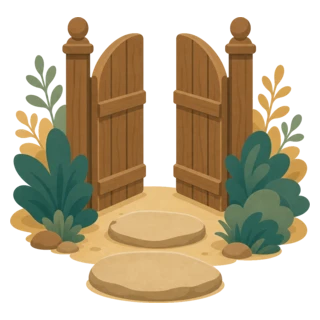
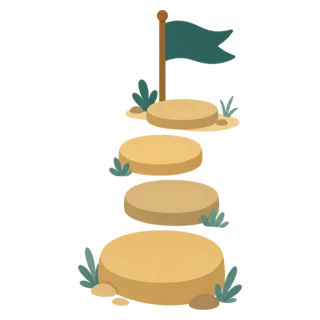
A surah map, with meaning on every stone.
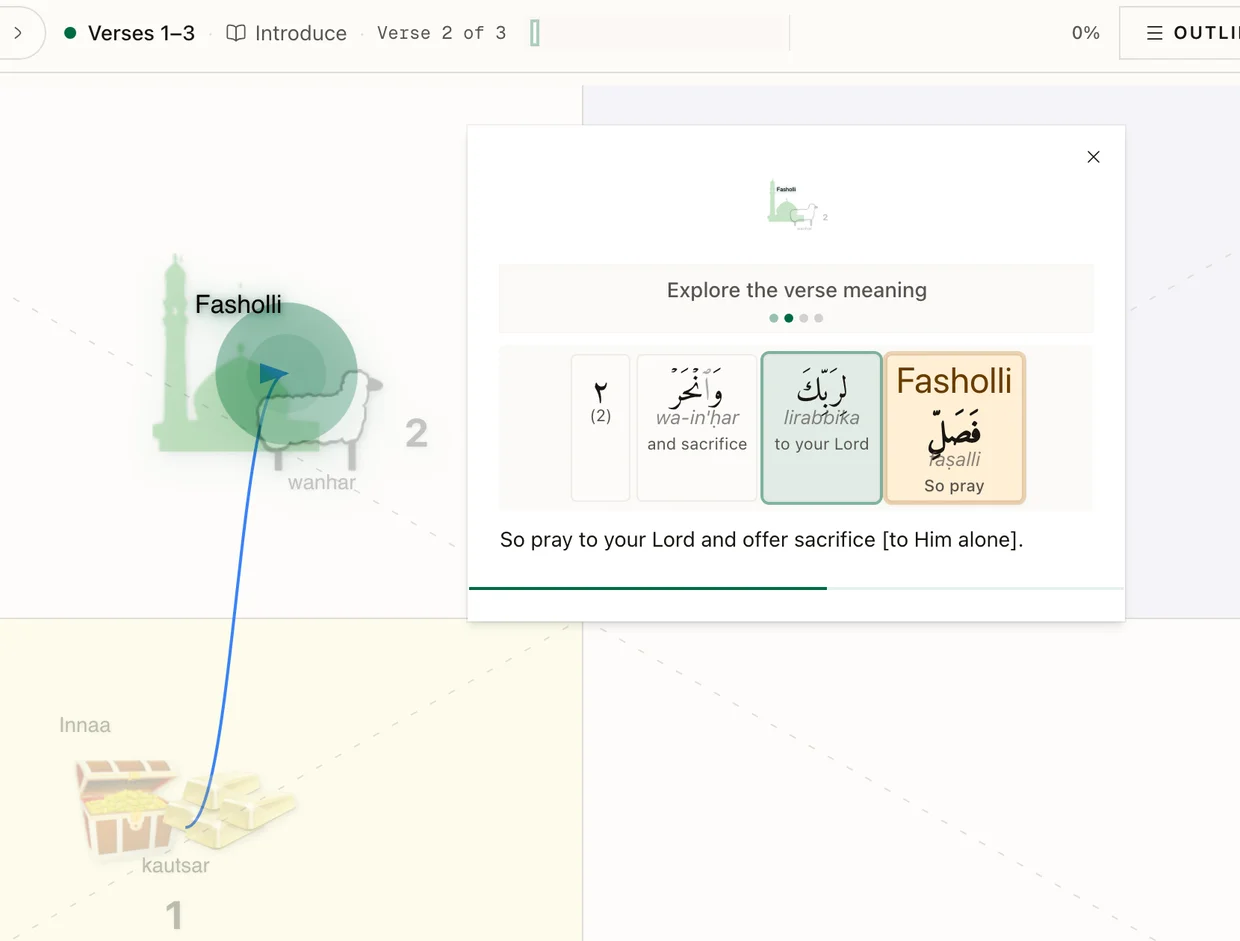
Each ayah gets a numbered stone and a keyword icon. Tap one to see the Arabic, word-by-word meaning, and its place in the route before you review it.
Tap a stone to open its ayah
This is the same canvas you'll learn on. The full lesson adds reciter audio, word-by-word meaning, and a recall check after every five ayahs.
Try the lessonUnderstand, see, hear, trace, review.
The lesson starts with meaning before memory. Every step points back to the same ayah, so you are not switching between disconnected tools.
Know what the ayah says before you repeat it.
Word-by-word meaning helps you grasp the ayah first. The Mushaf text, translation, audio, and keyword icon sit together, so the words you learn are tied to meaning and place.
- Per-word meaning, transliteration, and audio on every ayah
- A keyword icon for the idea you are learning, not just a picture to remember
- Mushaf text kept reverent, in proper Uthmani script
Come back before the ayah fades.
After the meaning and map are familiar, review brings the ayah back at the right time. You are not just finishing a lesson; you are building a path you can return to.
- Review intervals keep older ayahs in view
- Every fifth ayah becomes a checkpoint for the group
- Progress stays quiet and visible, away from the learning surface
Review stays tied to the ayah's meaning, audio, map position, and traceable stone, so practice does not become disconnected repetition.
One ayah a day, learned with meaning.
A steady rhythm for families and solo learners: understand one ayah, place it on the map, then let it settle.
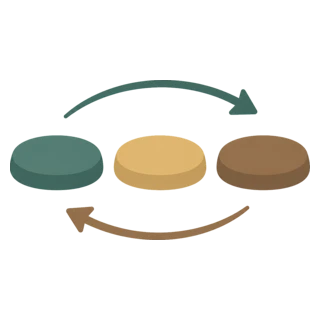
You walk the surah slowly, one stone at a time. After every five stones, you look away and review all five from memory. That checkpoint tests more than sound: can you remember the words, the meaning, and where each ayah belongs?
- Learn the meaning of one ayah before adding the next
- Every five stones, review the group without the Mushaf or map
- Start from any point because every ayah has a place and context
Beyond rote repetition: understand what you are keeping.
Why meaning plus place makes memorization easier to recall.
Rote repetition can leave you with sound but little context. Al-Husen starts with meaning, then attaches the ayah to a visible place.
Forget a word and there is often nothing to reach for. Here the meaning, icon, and position give recall several ways back.
Look-alike lines and pages can blur together. Each ayah becomes a distinct landmark with its own idea.
Recall often runs one direction, from the beginning. Practice from any stone, forwards or backwards, because the surah is mapped.
For readers, memorizers, and teachers.
The same calm Mushaf supports daily reading, hifz practice, and guided review without forcing everyone into the same workflow.

Daily readers
You open the app for tilawah, not for a workflow. The Mushaf is the home, opened at your last position, with no chooser in between.
A calm Mushaf, opened to your last position.
Hifz students
Meaning-first lessons, visual anchors, mastery tracking, and a spaced-repetition queue that respects what you already know.
Active recall with meaning attached.

Mentors and teachers
The five-step Al-Husen loop turns between-lesson practice into something visible. Assign surahs, see which stones a student understands and recalls, and step in when one stalls.
Know where recall is weak, not only that a page was repeated.
Free during open beta.
No credit card, no app store. It opens in your browser.
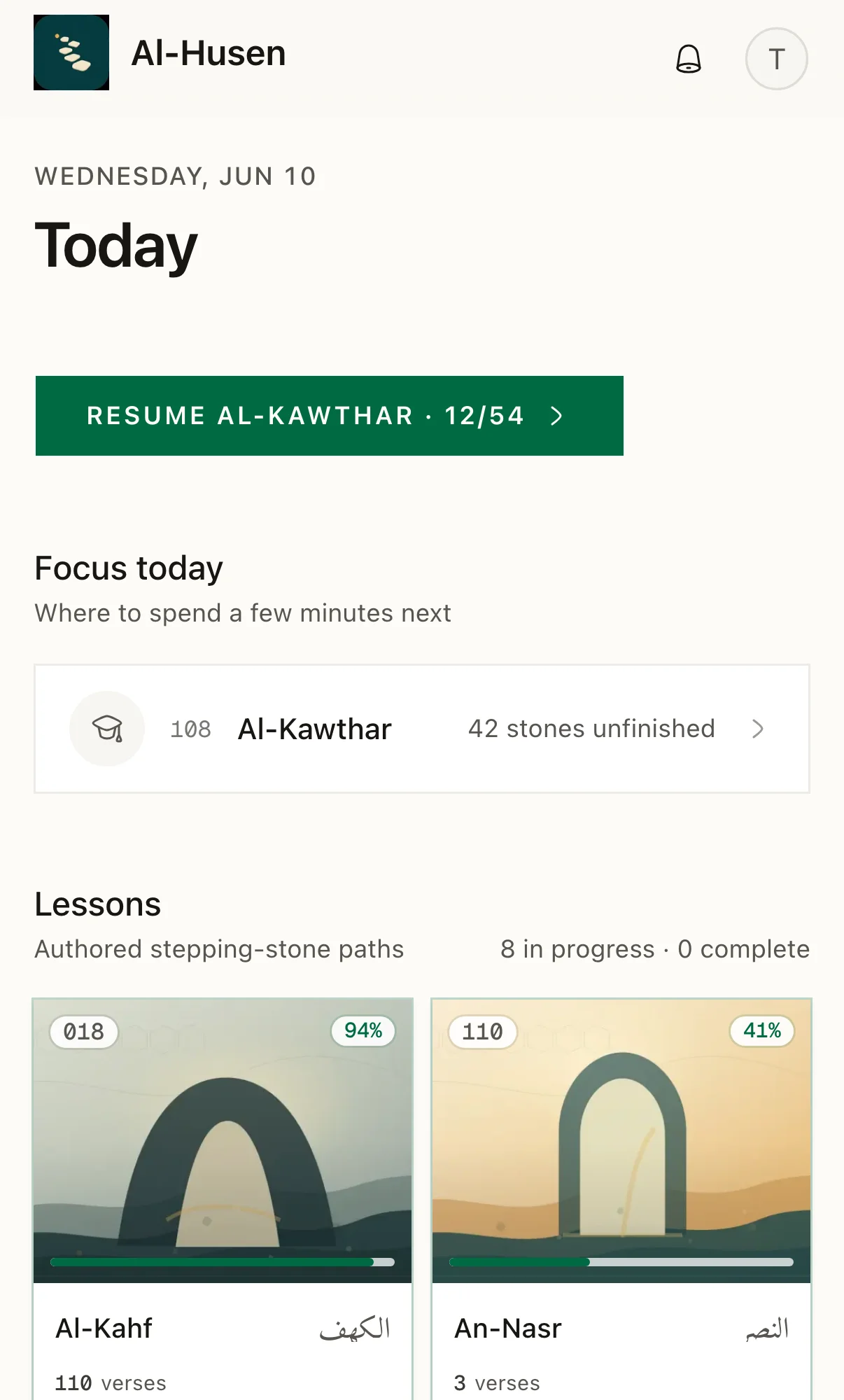
The Progress page shows whether practice is turning into understanding and recall: study time, ayahs memorized, lessons in progress, and review intervals live in one calm place.
- Free during open beta
- Selected Juz Amma surahs stay free
- Web-based, nothing to download
Frequently asked questions
Everything you need to know about the Al-Husen Method
Still have questions? Contact us

وَنُنَزِّلُ مِنَ ٱلْقُرْءَانِ مَا هُوَ شِفَآءٌ وَرَحْمَةٌ لِّلْمُؤْمِنِينَ
And We send down of the Qur'an that which is healing and mercy for the believers. (Quran 17:82, Sahih International)
Free during open beta. No credit card.